A manual of ancient sculpture, Egyptian - Assyrian - Greek - Roman (1886)
Redford, George, d. 1895 · London : Sampson Low, Marston, Searle, & Rivington · leaf 36
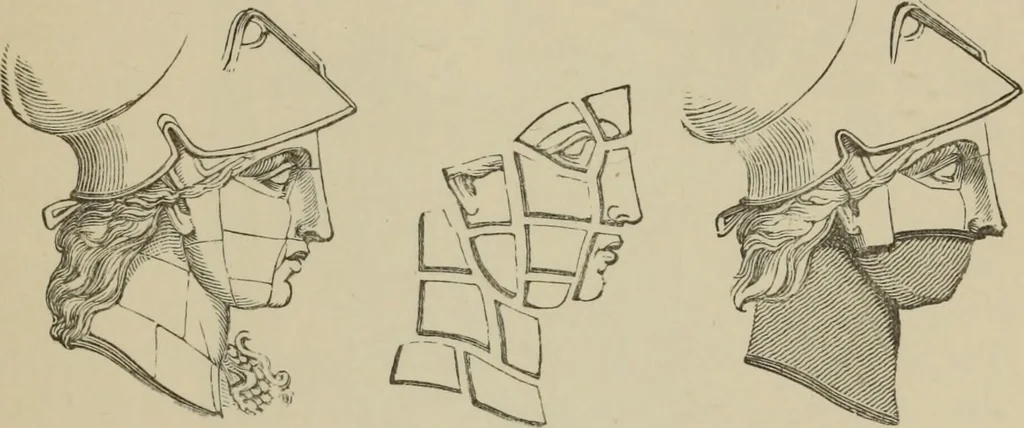
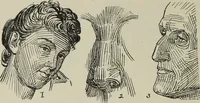
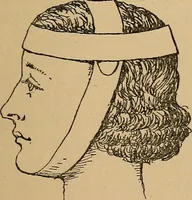
n-tine, on account of the combined use of gold {^pvnoc) and ivory(eXscpac); the; nude parts of the figure being of ivory, probablywith colour applied to the flesh and features, and the drapery ofgold. The statue was substantially but roughly made in marble,with wood perhaps upon it; the ivory being… … Figs. 13, 14, 15.—Showing the supposed method of working Ivory in- pieces laid on. conjectural. The use of ivory denoted a very decided intentionto imitate nature as closely as possible, though in colossalproportions. Ivory and gold statuary was revived during thetime of Hadrian, who had a colossal…
Sculpture, Ancient
Internet Archive · Public Domain Mark 1.0. Free to use for anything.