Modern locomotive engineering, with questions and answers .. (1913)
Swingle, Calvin Franklin, 1846- [from old catalog] · Chicago, F. J. Drake & co · leaf 244
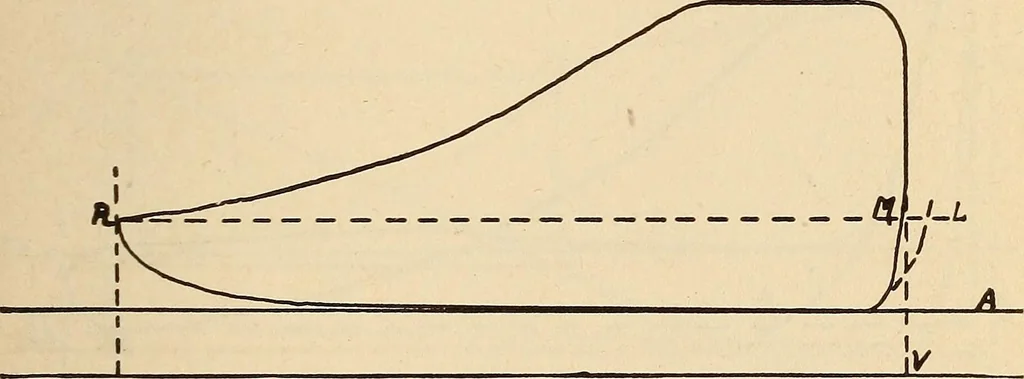
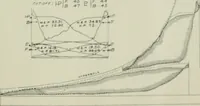
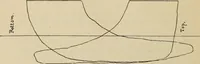
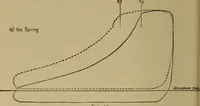
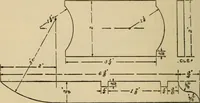
erefrom. In order to do this, multiply theuncorrected rate by the distance from D to E, whichis 3^ in., or 3.125 in., and divide the product by thedistance from D to C, 3^ in., or 3.25 in. Thus,24.99 X 3-125 - 3.25 =^ 24.03 lbs., which is the correctedrate and represents a saving by compression of… … Figure 109 compression curve to L, a point equidistant from thevacuum line with the terminal at R. The consumptionline R. L. now becomes longer than the stroke lineR. M.; therefore the corrected rate will exceed theuncorrected rate by just so much; as, for instance,terminal pressure = 34 lbs. The…
Locomotives
Internet Archive · Library of Congress · Public Domain Mark 1.0. Free to use for anything.