Radio for everybody; being a popular guide to practical radio-phone reception and transmission and to the dot-and-dash reception and transmission of the radio telegraph, for the layman who wants to apply radio for his pleasure and profit without going into the special theories and the intricacies of the art (1922)
Lescarboura, Austin C. (Austin Celestin), 1891- · New York, Scientific American publishing company [etc.] · leaf 128
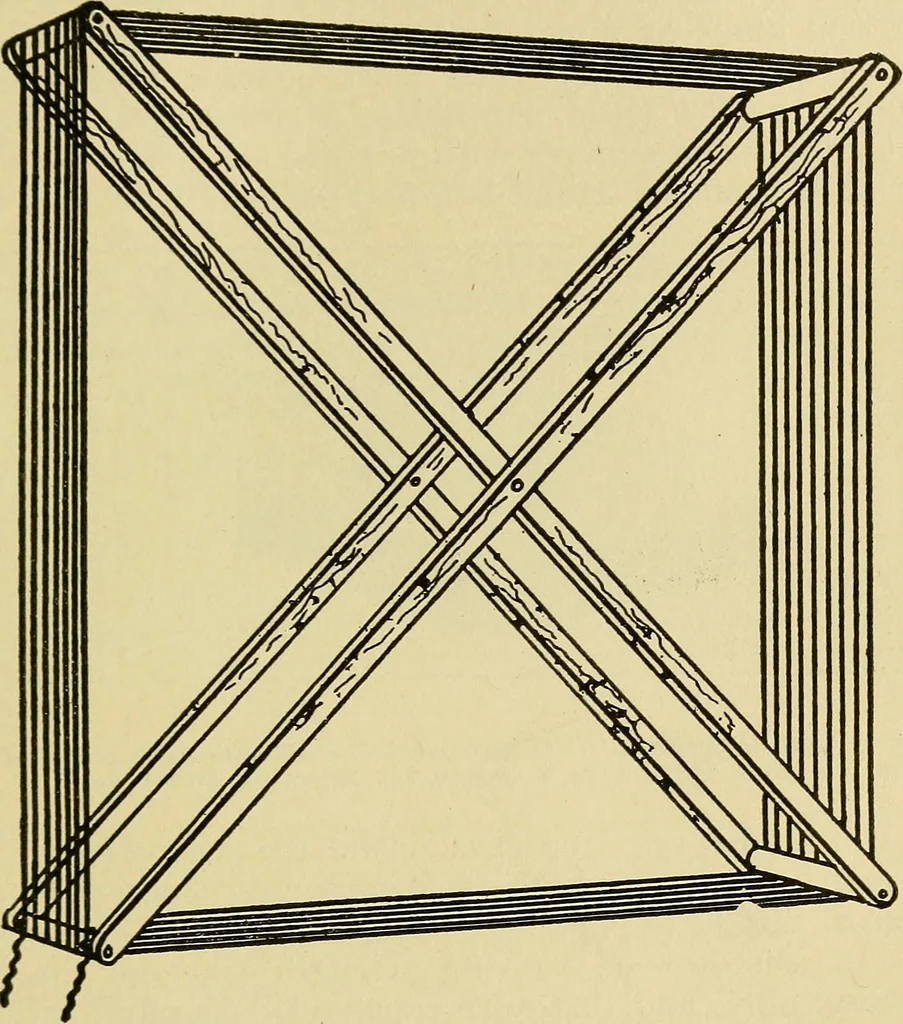
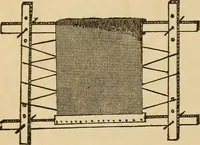
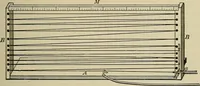
iers must be resorted to when using loops.Since the number of turns comprising any loop dependslargely on the wave length desired and the dimensionsof the frame, it is best to decide the exact number in eachcase by experimentation. To this end the loop shouldbe made with bare wire so that one can… … One of the neatest forms of loop. The turns of wire are spacedabout one inch apart for the best results. The Irreducible Minimum Among Receivers With the antenna and ground accounted for, the nextstep is to consider receiving equipment. The simplestreceiving equipment comprises a detector and a…
Radio
Internet Archive · Boston College Libraries · Public Domain Mark 1.0. Free to use for anything.