Textile raw materials and their conversion into yarns : (the study of the raw materials and the technology of the spinning process) a text-book for textile, trade and higher technical schools, as also for self-instruction ; based upon the ordinary syllabus and curriculum of the Imperial and Royal Austrian weaving schools (1901)
Zipser, Julius, Salter, Charles · London : Scott, Greenwood · leaf 194
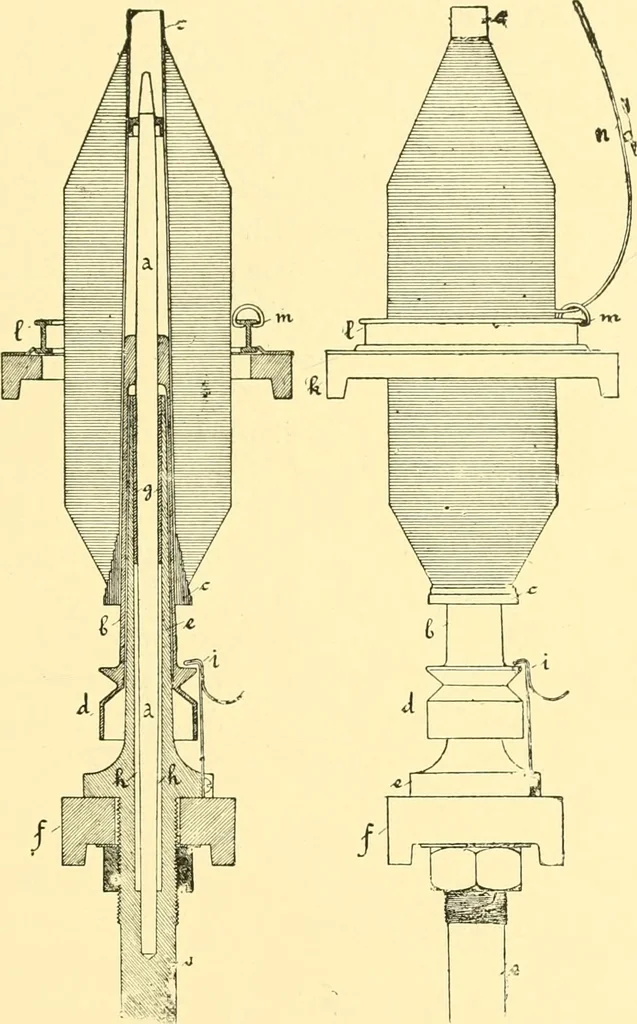
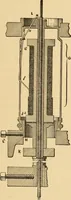
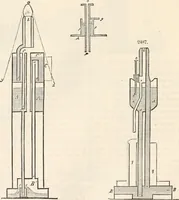
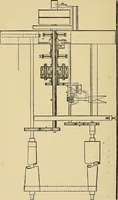
f the spindles. The very high speed(6,coo, 10,000 to 13,000 revolutions per minute) of the ringspindle necessitates a perfect and thoroughly reliable spindlebearing, and a reduction of wear in this part by means of longbearings, diminished pressure and continuous lubrication of TEXTILE RAW… … Figs. log and no.—The Rabbeth Spindle (vertical section and elevation). spindle, shown in Figs. 109 and 110. The steel spindle, a, whichtapers off at both ends, is provided with a firmly attachedsleeve, d, fitted with a whorl, b, and serving to carry thebobbin, c. The actual bearing, c, is made of…
Textile fibers · Spinning
Internet Archive · UMass Dartmouth, Claire T. Carney Library · Public Domain Mark 1.0. Free to use for anything.