The theory of effect : embracing the contrast of light and shade, of colour and harmony (1851)
Bengo, John, Hinckley, C. T · Philadelphia : J.W. Moore · leaf 23
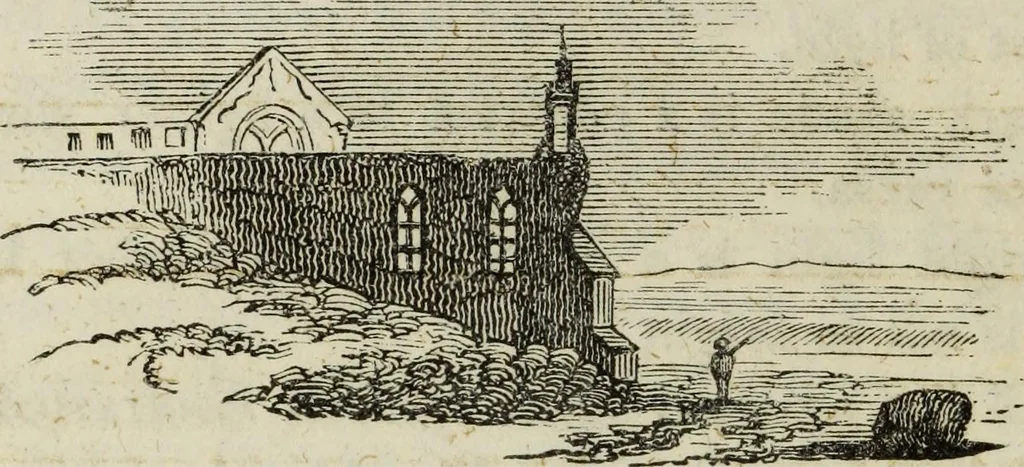
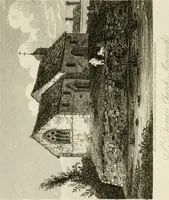
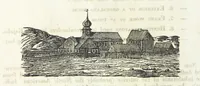
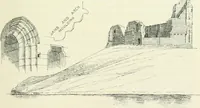
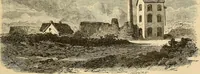
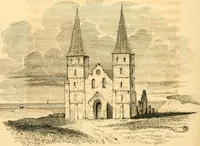
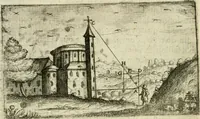
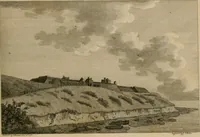
A mass of buildings which are in shade may berelieved and contrasted by perforations which ad-mit of light, as in Fig. 12, w^here the dark side ofthe ruined abbey is reliev^ed, and rendered lessheavy by the windows through which is seen thelight of the evening sky. 2# 18 THE THEjRY of EFFECT,Fig.… … The strongest contrast to a light is by makingthat Hght the only hght in the picture, all the restbeing in shade. A square flat shade is best contrasted by anysmall irregular lights, as in Fig. 13; the squarenessof the tomb is contrasted by the light leaves of thebramble which hang over it. Fig. 13.
Drawing · Shades and shadows
Internet Archive · Getty Research Institute · Public Domain Mark 1.0. Free to use for anything.