The young astronomer; or, The facts developed by modern astronomy, collected for the use of schools and the general reader (1847)
Abbott, John S. C. (John Stevens Cabot), 1805-1877 · New York, J.C. Riker [etc.] · leaf 37
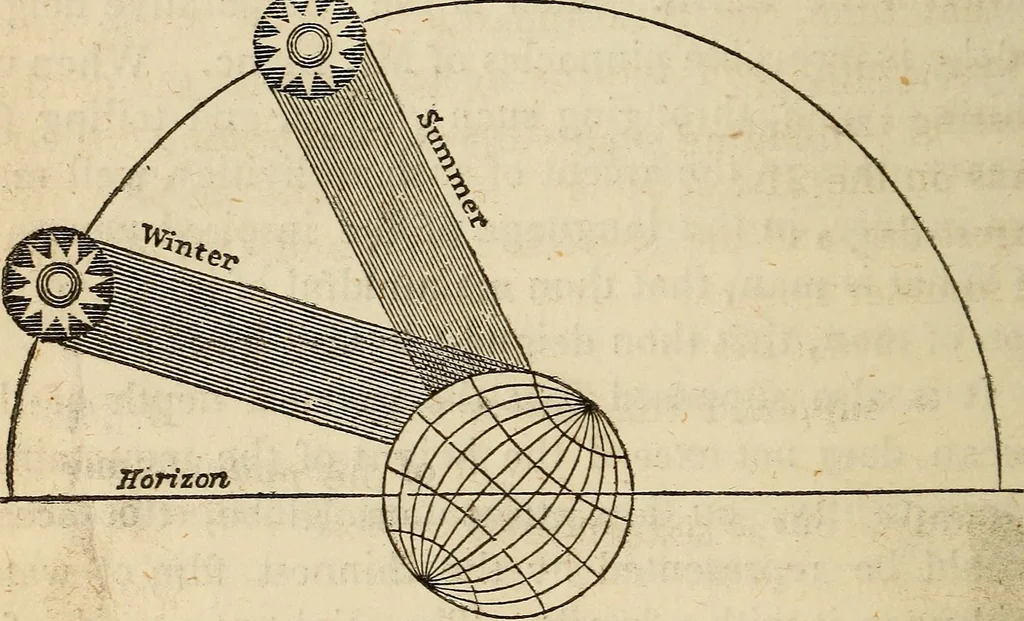
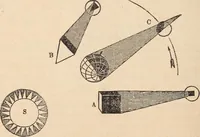
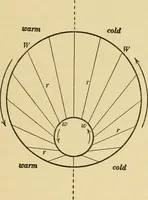
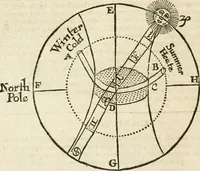
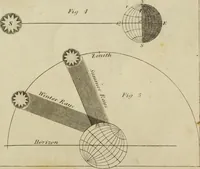
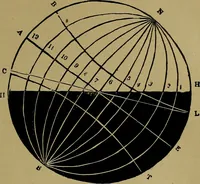
Why is the Earth at one timenearer the Sun than at others ? 32 THE YOUNG ASTRONOMER. millions of miles nearer the Sun than at other seasons.The Earth is nearest the Sun about the first day ofJanuary; but as the rays of the Sun then fall obliquelyupon the North, the cold is severe. The Earth… … and the 23d of September, the Sun crosses theequator, and the days and nights are then equal inlength in all places. These periods are called theequinoxes, from two Latin words, signifying equalnights. When the Sun passes the equator in March,it is called the vernal equinox. When it passes the How…
Astronomy
Internet Archive · Library of Congress · Public Domain Mark 1.0. Free to use for anything.