Mechanical movements, powers and devices; a treatise describing mechanical movements and devices used in constructive and operative machinery and the mechanical arts, being practically a mechanical dictionary, commencing with a rudimentary description of the early known mechanical powers and detailing the various motions, appliances and inventions used in the mechanical arts to the present time, including a chapter on straight line movements, by Gardner D. Hiscox (1914)
Hiscox, Gardner Dexter, 1822?-1908 · New York, The Norman W. Henley publishing co. · leaf 371
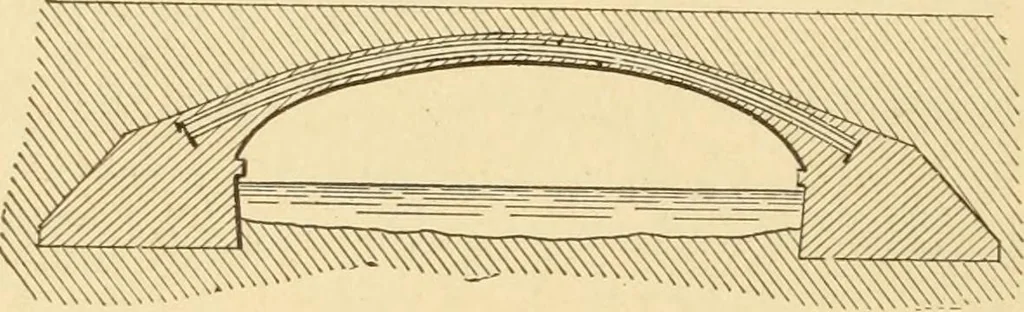
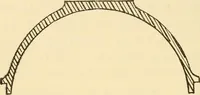
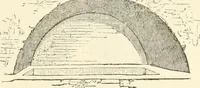
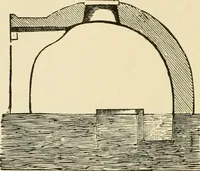
eet; New York approach, 1,562 feet; total lengthcurb to curb, 6,016 feet; width, 85 feet; clearance abovehigh water, 135 feet; height of towers above high water,272 feet; number of cables, 4; diameter of cables, 15^inches; length of single wires, 3,579 feet; total length ofwires in four cables,… … 1510^. MELAN BRIDGE.—A series of arched steelI beams, filled in with Portland cement concrete. Endsof beams resting against thrust plates.
Mechanical movements
Internet Archive · Library of Congress · Public Domain Mark 1.0. Free to use for anything.