Mediæval art, from the peace of the church to the eve of the renaissance, 312-1350 (1904)
Lethaby, W. R. (William Richard), 1857-1931 · London, Duckworth and co.: New York, C. Scribner's sons · leaf 389
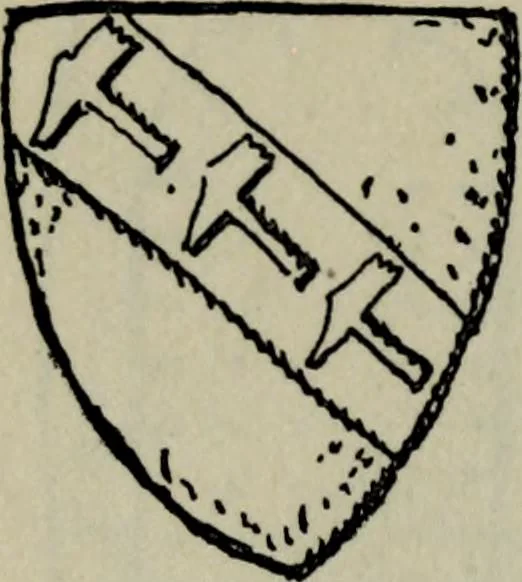
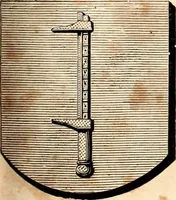
and chapels. It is worthy of remark thathis surname is probably derived from his occupation—thestonecutter. Two facts show that he was the first master;that he built the east end, always the point of beginning,and that the plan was put on his grave. Fig. 114 shows the seal of one of the early… … to particular builders, and that mediaeval masons werelittle honoured in their day, is curiously far from thetruth. Masonry, including sculpture, was the representativeart of the age, and the captains of masonryreceived most honourable public recognition.Along the lintel of the great central…
Art, Medieval
Internet Archive · Public Domain Mark 1.0. Free to use for anything.
![An illustration from Libro primo [-quinto] d'architettvra ... (1566)](https://img.insideoutlibrary.com/img/200/ia-libroprimoquinto00serl-150-167.webp)