Proportion and harmony of line and color in painting, sculpture, and architecture; an essay in comparative aesthetics (1909)
Raymond, George Lansing, 1839-1929 · New York, London, G. P. Putnam's sons · leaf 102
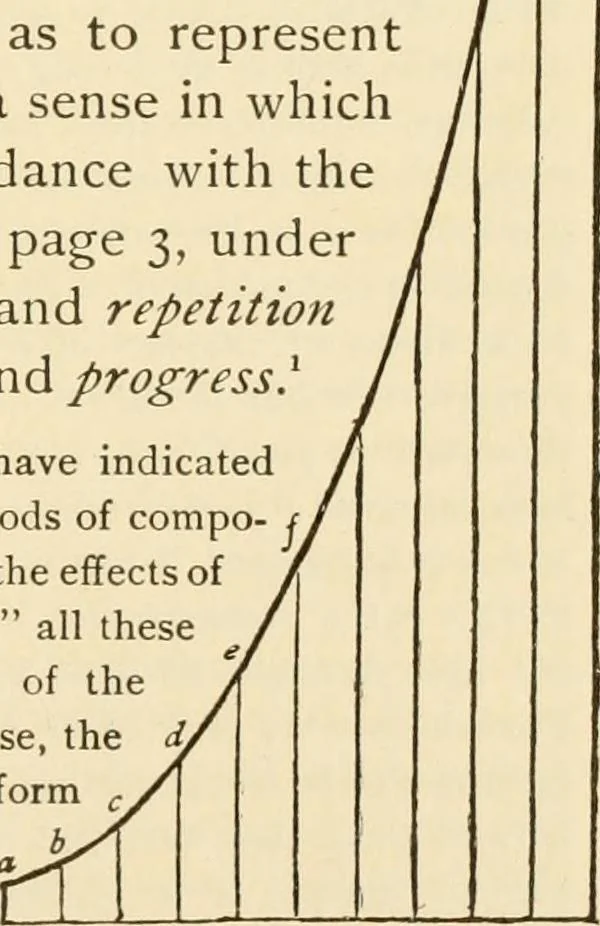
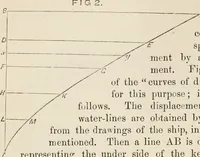
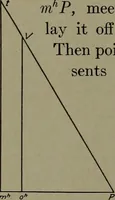
rly shorter than b—c, and soon. In the direction of g, the curve a—g evidently in-clines more and more to differ from the requirements of acircle, and to approximate a straight line. In Fig. 34, page61, the distance between the lines ^—a and B—^and C—c,etc., is the same, but the curved line a—b… … Genesis of Art-Form, page 283, it was asked whycurves of this kind are seen so frequently in nature,and why, when they are seen, they are considered es-pecially satisfactory ? The answer suggested was thatsuch curves necessarily fulfil the requirements of themethods developed from comparison^ as…
Aesthetics
Internet Archive · Princeton University Library · Public Domain Mark 1.0. Free to use for anything.