Society of Glass Technology · [Sheffield] · leaf 576
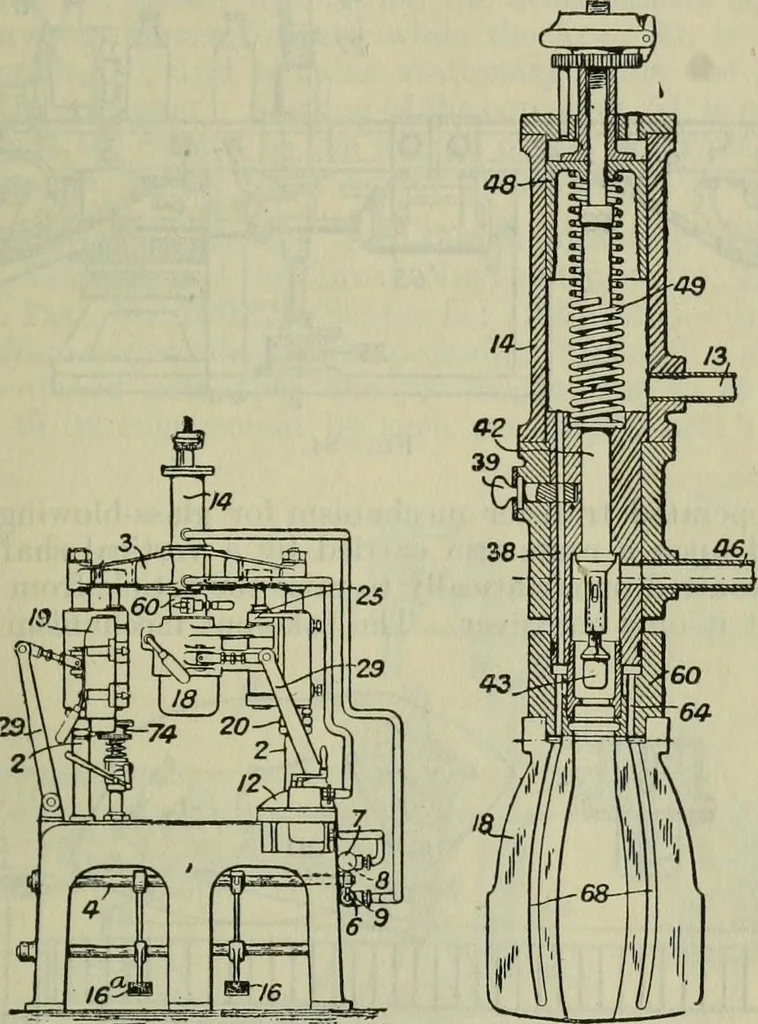
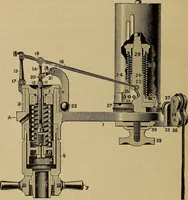
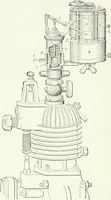
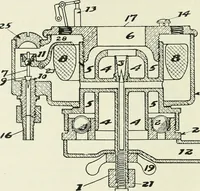
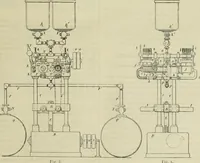
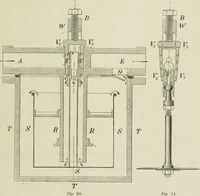
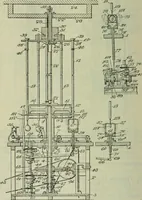
lied MACHINERY FOR THE WORKING OF GLASS. 131 to the cylinder, air is exhausted from the grooves, 68, and tightcontact is secured between the halves of the parison mould, so thatjoint marks on the parison are avoided. The plunger, 43, thatforms the initial cavity in the neck of the parison is… … Fig. 83. end of the parison mould. Suction is then applied to the cylinder,14, and causes the piston, 48, to move downwards to bring theplunger, 43, into the ring mould. Movement of the controller thenexhausts air from the ring mould through the pipe, 46, thus causingthe metal to be sucked from the…
Glass
Internet Archive · Gerstein Library, University of Toronto · Public Domain Mark 1.0. Free to use for anything.